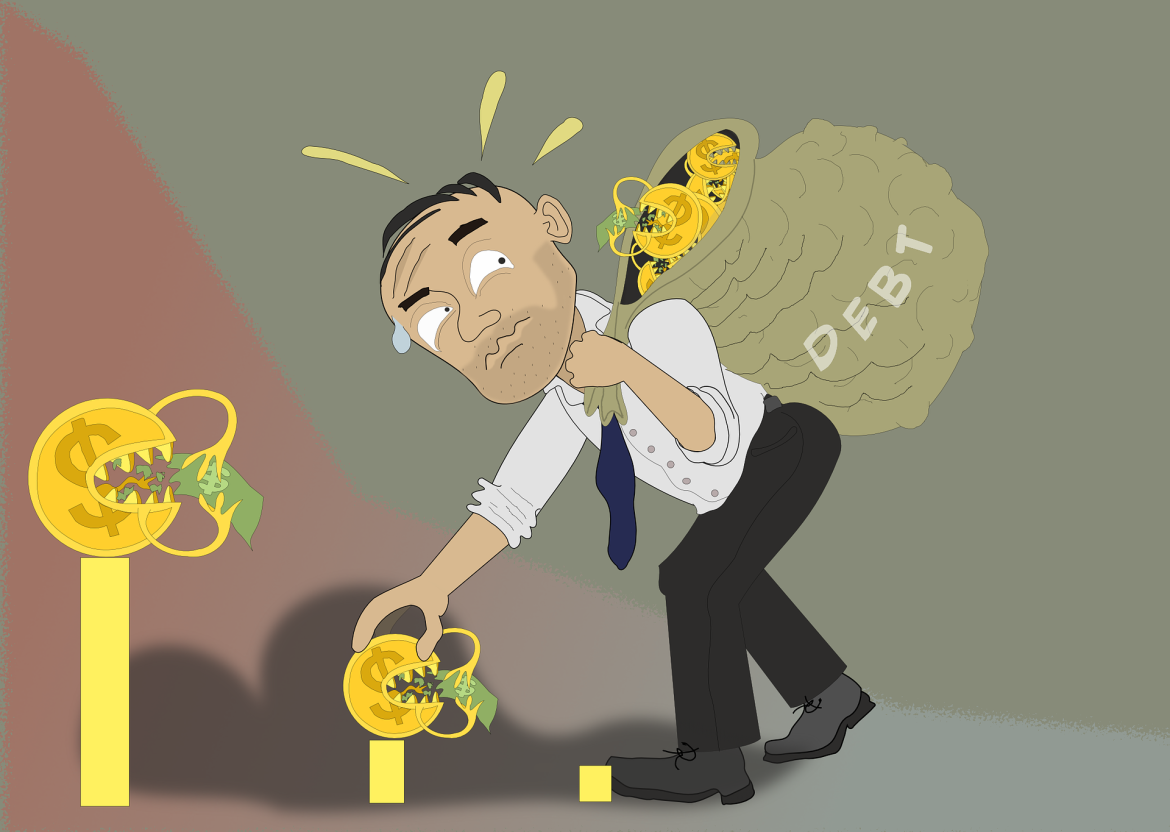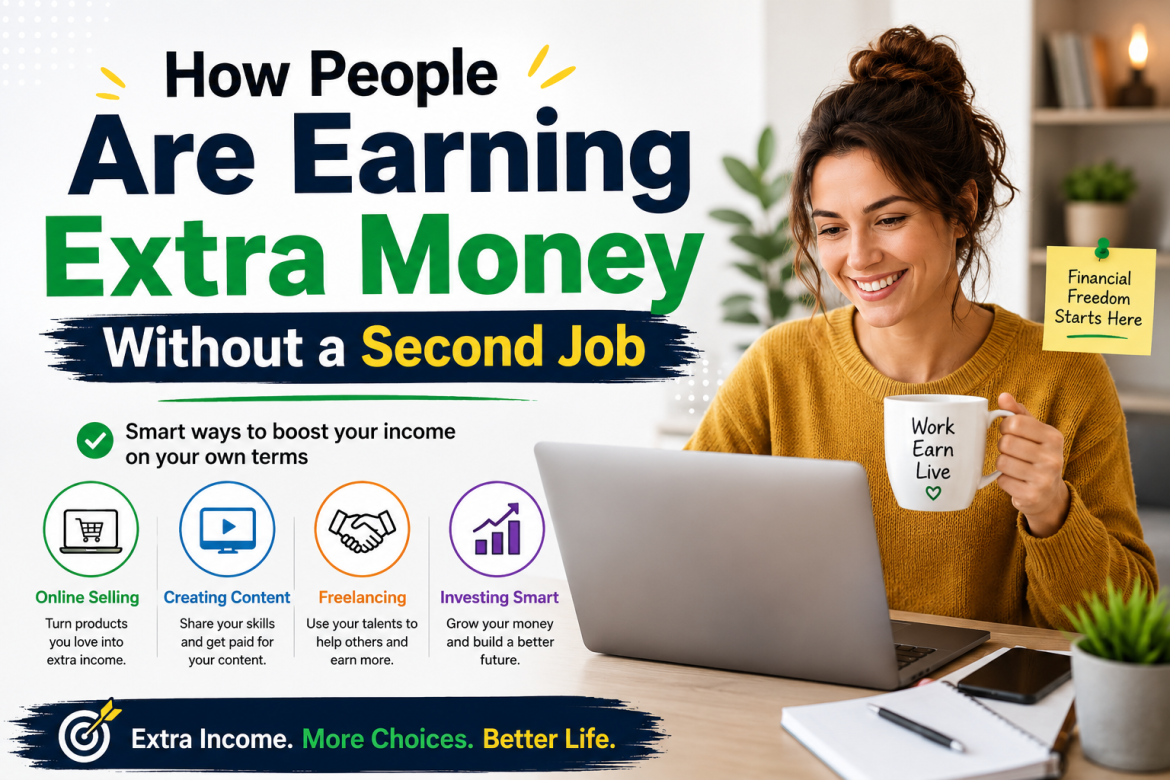
One of the most common goals that people have in life is to make money. It is the magical tool that can get you financial security, happiness, and achievable dreams. However, with the cost of things going up, it is difficult to run a family with only one job. A major portion of the paycheck goes into paying for the essentials like groceries, bills, and house rent. There isn’t enough money left over to pay off debt, buy your first home, save for retirement, or cover emergency medical expenses. That’s why people are always seeking new ways to earn money.
You can get into a second job, but it will cause immense pressure on your body and mind as you will have to work under someone’s authority within fixed hours, just like your primary job. Finding a side hustle, on the other hand, can give you work flexibility, self-authority, and extra money. You can try out the following ways of earning extra money without looking for a second job.
How families are affected during inflation
Inflation means an increase in the prices of goods and services. When production costs or demand for certain products increase, the prices of goods and services may rise. Shortage of certain goods and services can also result in a price increase. In such cases, the consumers are willing to pay more, and this pushes the price up.
We have noticed a sharp rise in inflation recently due to a sequence of events, like the COVID-19 pandemic, Brexit, the Russian-Ukrainian war, and the US-Iran war. These events caused disruptions in the supply change. Recently, there was a crisis for petrol in many countries due to the US-Iran war, for example. Inflation causes financial strain on households. Here are some ways inflation is affecting families.
Rent out your space or equipment
If you have an extra room in your house or an empty garage space, then you can rent it out. Instead of letting the empty space collect dust, utilize it to your own advantage. You can list your space on online platforms like Airbnb, Spacer, Neighbor, or others. Word of mouth and posting advertisements in the local paper also help. Without much effort, you can start earning extra money right away.
If you have power tools, camping and sports equipment, musical instruments, event supplies, specialty electronics, or landscaping tools at home, then you can rent them out. This equipment is expensive, and many people would like to rent rather than purchase it. You just need to keep the equipment in good working condition.
Turn your hobby into a business
Whether you enjoy photography, painting, craft making, or baking, you can think of starting a freelance or home business. If necessary, do a professional course to sharpen your skill like a pro. It will also help you to develop confidence and credibility. Many people today search for a freelance photographer or baker to cover their special events. If you can paint or make crafts, then you can sell your own painting or crafts online through Facebook marketplace, Etsy, or other sites.
If you love gardening and have a nice garden in your backyard where you grow seasonal fruits and vegetables, then you can think of selling those. You can create an online page and sell the local produce, or get in touch with a local market to supply fresh vegetables and fruits. You can also offer planting, yard maintenance, or lawn mowing services. These are well-paid, flexible jobs which will help you to earn extra money.
Offer handyman and renovation services
It’s time to utilize your handyman skills outside your home. If you can do small fixes around the house, then you can earn extra money by working for different clients. You can offer car restoration, property renovation, or flipping services. You can buy used electronics or bikes, fix them, and sell at a profit in eBay or the Facebook marketplace.
Invest in businesses
Dropshipping is a popular business concept today that doesn’t require much capital. You don’t need to maintain any inventory, so there won’t be any cost of renting and maintaining a warehouse. You only need to set up an online store from which you can take orders. An e-commerce business is also a good option. You can start small by stocking up on inventory in a spare room or garage.
Invest in stocks, bonds, and shares
Invest in dividend stocks to get regular returns from your investment. Choose established and well-reputed companies to invest in that have a track record of providing regular dividends. You can also buy bonds and shares to get a good return.
Utilize your vehicle
If you own a car or a bike, you can rent it out when you are not using it. There are apps available that let you rent your vehicle. Depending on the type of vehicle, there is good earning potential every day. Alternatively, you can become a part-time delivery person through apps like Uber Eats, using your own vehicle. You can also offer carpool services using apps. Another interesting way to earn from your vehicle is by turning your car into a billboard. There are marketing companies that pay people to wrap their vehicles with ads.
Provide education, writing, or digital services
You can start your own channel of tutoring or develop courses on various subjects to sell on Udemy or other education platforms. Choose topics that you are an expert at, like a different language, Math, Business, Interior Design, and others. You can advertise your services in different online marketplaces. Writing services are also in demand now. You can work as a freelance writer.
Another option is providing editing lessons online or performing video editing for other companies. You can also do logo design, website design, marketing materials, and others for different clients. SEO and digital marketing services can also give you an extra income source.
Event planning services
Any event today is very well-planned and organized. People usually hire professionals for weddings or corporate events. If you are creative and have experience in event planning, then you can start your own event planning business. You must source good vendors and form good relationships with them to earn more money from this side hustle.
Housekeeping and babysitting services
Today, in many households, both partners are working full-time. Therefore, it’s difficult to maintain the house in good condition without external help. You can provide housekeeping services at your convenient time. If there is a baby in the house, you can offer babysitting services as well. Many parents recommend a babysitting service instead of a day care center for financial and safety reasons.
Pool cleaning and car washing services
These washing works don’t need much experience. You need physical labor and some good products to clean a pool or a car. Pool owners may need cleaning services, especially during warmer months. Car wash is more frequent. You won’t need to spend much time doing these works.
Pet walking and grooming services
You will find many people having pets at home. Due to the homeowners’ busy schedule, they often find it difficult to take the pet to walk or do proper grooming. If you have a pet yourself and know how to take care of them, you can offer them a hand with these tasks.
Start a podcast
If you are passionate about any topic, then you can start podcasting. You can invite special guests to your podcast and discuss various topics. Initially, the challenge is to build up an audience. After that, you can monetize your podcast through ads and sponsorships. You must come up with unique and new content to grab more audience. You only need a computer, a microphone, and headphones to start a podcast.
Become an influencer
Influencers seem to rule the online platform today. Pick a type of content you want to create and be innovative with the videos you share on social media. You can create funny, awareness, health-related, or other videos to attract audiences to visit your page or YouTube channel. You can earn from advertisements. Once you get popular, you will start getting advertising deals from other companies to promote their products. So, you can start earning more.
Become a health and fitness expert
You can easily start a side hustle in this field if you are a health-conscious person and know how to lead a healthy and fit life. With some training, you can become an online fitness or yoga instructor. Being a nutrition coach is another option. You can create a customized diet plan for clients. You need proper certifications to provide these services.
With so many options available, it’s not difficult at all to earn extra money from side hustles. Imagine how easily you can achieve your dreams with the extra money you will be earning. You will soon become financially strong if you can hold on to that passion and dedication to earn extra money beyond your regular job.