

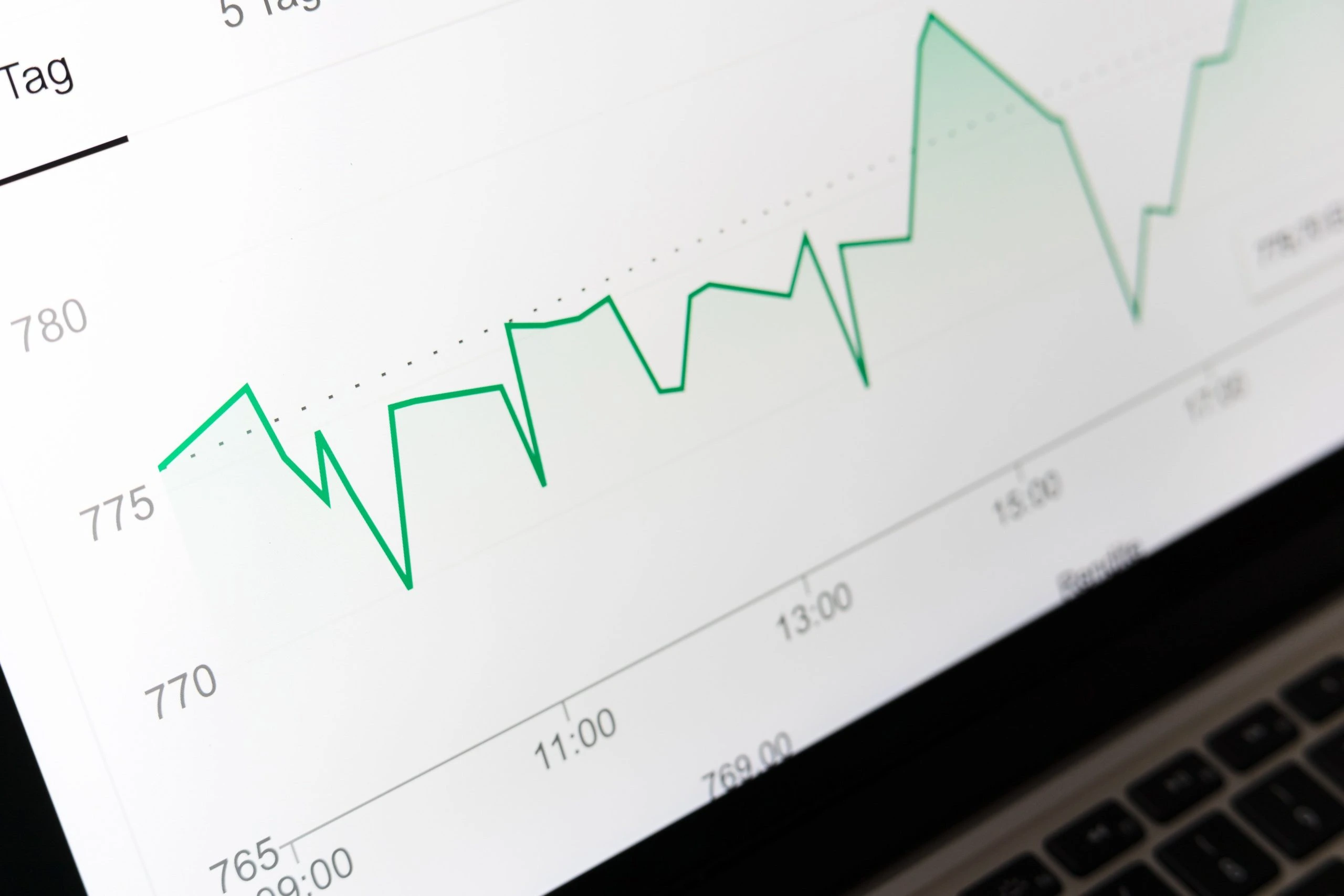
If you are looking for an easy investment opportunity, then you must invest in index funds. Unlike other types of investments, like individual stocks, where you have to monitor your investments continuously and be informed about industry news, index fund investing requires no such hassle. It’s a stress-free long-term investment opportunity and is appropriate for new investors.
What is an index fund?
In this type of investment, you will exactly replicate the performance of a particular market index, such as the S&P 500, which includes both bonds and stocks. When the index rises, the fund will rise, and when the index falls, the fund will fall too. Here, you don’t need to select individual stocks; instead, you look at a group of stocks at once. You can easily build up a diversified portfolio and get good returns. With an index fund, you won’t be competing to get an upper hand in the market. You will buy stocks of all firms that are listed on the index and mirror its performance as a whole. Therefore, there is less risk involved in this type of investment.
Advantages of index funds
One of the main advantages of index funds is that it offers diversification, which eventually helps in reducing risk. As the market is volatile, you will need to deal with shocks. With a diversified portfolio, you will have to absorb less shock than if you had invested in a single stock. Another advantage of index funds is that the fees are low, as less research is required to manage the funds. Additionally, you won’t have to buy or sell too frequently, unlike individual stocks. Index funds are also more tax-efficient than other investments. As you need less decision-making, this investment gives you less stress as well.
Disadvantages of index funds
Unlike other investments, you won’t be able to outperform the market with index funds. So, your returns will always be average. It is appropriate for those who want steady growth over a long period of time without much risk. However, this type of investment is not risk-free. For example, if the entire stock market declines, then it will affect the index funds the same way it will affect the individual stocks.
How do index funds work?
An index fund will follow the performance of a market index. There will be a fund manager for monitoring the index. An index includes stocks and securities that represent a specific market segment. Whenever the index makes any changes to its portfolio, the manager will buy or sell. This way, the index fund will always match the index.
The popular index S&P tracks the 500 largest U.S companies, the BRVM Composite Index tracks the major companies across many West African countries. So, first choose the index you would like to invest in, that is, S&P, BRVM Composite, or others. Then look for an Exchange Traded Fund (ETF), mutual fund, or other types of index funds that track the index you have chosen. You will find brokerage platforms offering multiple funds. So, you must compare a platform that offers the index you want to buy and also has low administrative and operational costs. Then open an account with the broker and buy shares in the chosen fund.
Before investing, you need to set up your goal and the timeline, which can be retiring within the next 30 years, building wealth for a long time, paying for children’s education, buying a home, or others. By knowing your goal and time horizon, you can decide how much money you need and when. If you have a longer time horizon, then you will have more exposure to stocks.
Then decide the kind of index exposure you would like; for example, U.S stock index funds, bond index funds, international stock index funds, or stock-and-bond combination funds. If you have a higher stock allocation in your investment portfolio, then you will expect higher growth. However, you have to trade under higher volatility as well. If you add bonds to your portfolio, then you can reduce volatility at the cost of lower expected returns. You should build a balanced portfolio consisting of different types of index funds.
When comparing prices, don’t forget to include the administrative cost, that is, the expense ratio as well, which will later be subtracted from your returns as a percentage of total investment. You should keep your eyes on the market and monitor the changes. If necessary, change your strategy by looking at your past performances.
Investing in index funds is comfortable and a cost-effective way of improving your financial condition. You must focus on your long-term goal and risk tolerance when investing in index funds. As a beginner, you should talk to a financial advisor and get personalized advice. Index fund investing is promising as it combines diversification with low cost and simplicity. Since an index fund is considered to be a passive investment, that is, one that doesn’t require much research or monitoring, as a new investor, this investment is worth trying.