

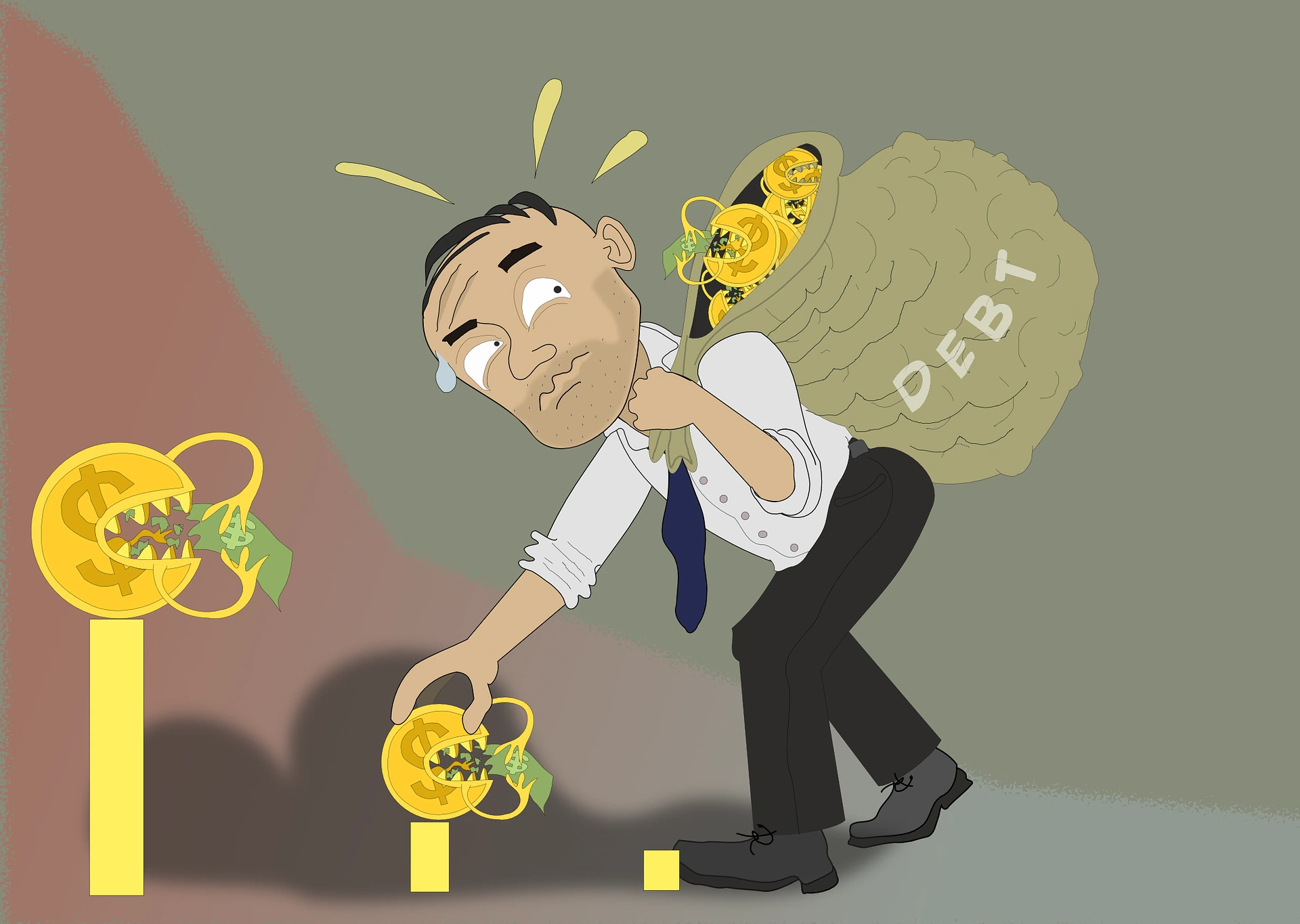
Are you currently burdened with multiple debts? Wouldn’t it be nice just to manage one debt instead of so many? Then, debt consolidation can be the right solution for you. You can consolidate your multiple debts into a new credit card or loan at a favorable interest rate to make your life less stressful and manageable. You will have fewer payments to make, which will help you to pay off the loan faster. There are a number of debt consolidation methods that you can choose from, and these are discussed here.
Personal loan
It is an unsecured loan that you can take from a bank or a credit union. You won’t need any collateral to apply for this loan. These loans will offer a lower interest rate than credit cards, which is why taking a personal loan for debt consolidation is a popular choice. You will need a good credit score to apply for this loan.
Balance transfer
You can apply for a new credit card that offers a high credit limit and a low interest rate. You can then transfer the balances of your old credit cards to the new card. Some credit card companies will offer you 0% interest rate on the balance for a certain length of time. However, you must remember that after the interest-free period, the interest rate can increase sharply. So, try to pay off as much of the debt amount as possible during this interest-free period. You may have to pay a 3% to 5% fee on your transferred amount.
Home equity loan
This debt consolidation method is appropriate for a home owner who has developed equity over many years. These are secured loans, and you need to provide your equity as collateral. So, if you fail to pay off the debt, you will lose your home. The interest rate will be a bit higher than average mortgage rates, but still it’s below credit card rates.
Mortgage refinance
If you take a new mortgage on your house, then you can pay your unsecured debts and repay the old mortgages with it. You must have sufficient equity for consolidating your debts; otherwise, you will require extra mortgage insurance costs.
Debt settlement program
This method of debt consolidation involves a third party. You pay to the program and not to the creditors. The program handles all kinds of interactions with the creditors on your behalf. In this program, you negotiate a payoff that is lower than the amount you owe. People who are behind lots of payments and now require to take a hard step usually go for this program. It’s usually considered the last resort, as it damages your credit score severely. The debt settlement companies will ask you to stop paying the creditors so that they are bound to accept only a part of what you owe them. That way, you will incur lots of late payment fees and penalties. Missing lots of payments will lower your credit score.
Debt management plan
In this method, you need to consult a nonprofit credit counseling agency and agree to make one payment every month. That agency will then pay all your creditors from this single payment on your behalf. The creditors prefer repaying through a debt management plan because it provides a structured repayment schedule and guarantees full payment. It also lowers the risk of default, thus increasing the chances of loan recovery. The creditors often offer incentives, like lower interest rates, when you pay through a debt management plan.
DIY debt consolidation
You can consolidate debt on your own as well. You can use the snowball or the avalanche method. In the snowball method, you pay off your small loans first and then move to the larger ones. In the avalanche method, you pay off loans with the highest interest first and then deal with the lower interest ones.
The type of debt consolidation method you choose will depend on the size of your debt. If your loan amount is small, then a personal loan or credit card balance transfer will be the right option for you. But if your loan amount is moderate to high, then a home equity loan will be more appropriate, as it will give you a larger loan amount compared to the unsecured loans.
Debt consolidation may lower your credit score as the lender will conduct a hard inquiry on your credit report. Also, as you will get a more extended period to pay off the debt, even with a lower interest rate, you may end up paying a larger amount of interest in total. After debt consolidation, develop habits to improve your credit score, like paying bills on time and limiting your credit card spending to keep your credit utilization ratio low. At the same time, try to pay off the new loan you have taken for debt consolidation as quickly as possible to avoid paying more interest. Debt consolidation is a powerful tool to get back on track with your finances.